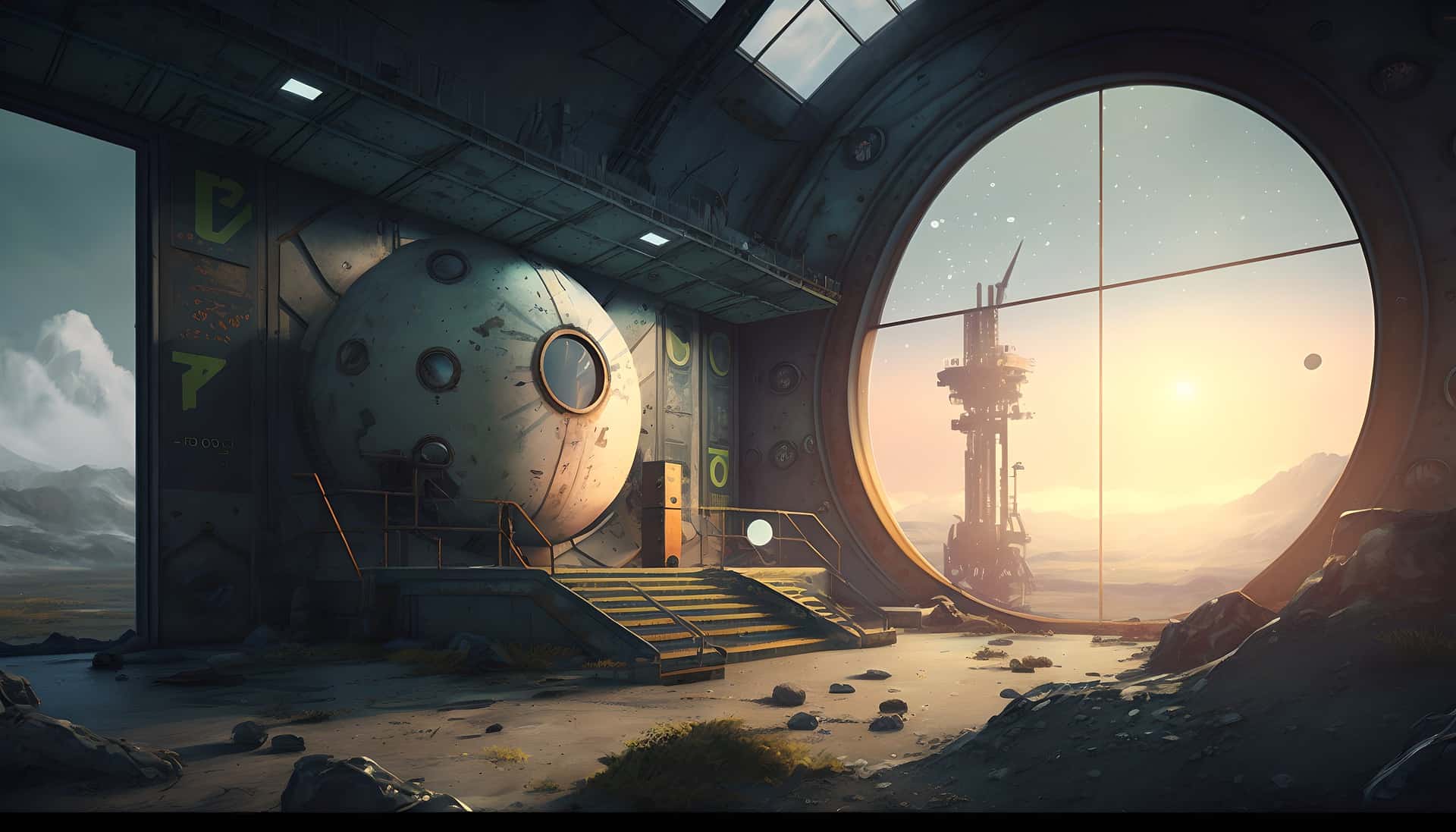
Introduction: Humanity’s fascination with space exploration has sparked remarkable achievements and continues to push the boundaries of our knowledge and capabilities. As we look to the future, the possibilities for space exploration are expanding, from establishing colonies on Mars to venturing into interstellar travel. In this article, we will delve into the exciting prospects and advancements in space exploration, discussing the technologies, missions, and aspirations that will shape the future of human exploration beyond Earth.
-
Mars Colonization: A Step towards Planetary Settlement: Mars has long captured our imagination as a potential new home for human colonies. Advancements in spacecraft technology, propulsion systems, and life support systems are making the dream of Mars colonization a closer reality. Private and government initiatives are investing in research and development to overcome the challenges of long-duration space travel, resource utilization, and establishing sustainable habitats on the Red Planet. The colonization of Mars could mark a significant milestone in human history, paving the way for further interplanetary exploration and the potential for a multi-planetary civilization.
-
Lunar Exploration and In-Situ Resource Utilization: The Moon remains a focal point for space exploration, serving as a stepping stone for deeper space missions. Lunar missions are aimed at exploring the Moon’s surface, conducting scientific research, and assessing the potential for in-situ resource utilization. Technologies such as 3D printing, water extraction, and regolith processing could enable the establishment of lunar bases and serve as testbeds for technologies and systems required for future missions to Mars and beyond.
-
Interplanetary Travel and Beyond: While Mars is a primary target for human exploration, interplanetary travel to other destinations within our solar system is also on the horizon. Missions to explore Jupiter’s moon Europa, Saturn’s moon Titan, and the outer reaches of our solar system are being planned to search for signs of life, understand planetary formation, and unlock the mysteries of the universe. The development of advanced propulsion technologies, such as ion propulsion and nuclear propulsion, could significantly reduce travel times and make these ambitious missions feasible.
-
Interstellar Travel and the Search for Extraterrestrial Life: The ultimate goal of space exploration is to reach beyond our solar system and explore neighboring star systems. Interstellar travel poses significant challenges due to the vast distances involved. However, visionary concepts such as laser propulsion, solar sails, and breakthrough propulsion systems hold promise for achieving speeds that would allow humans to reach nearby star systems within a human lifetime. Interstellar missions would not only push the boundaries of human exploration but also fuel the search for extraterrestrial life and expand our understanding of the universe.
-
Collaborative Efforts and International Cooperation: The future of space exploration relies on international cooperation and collaborative efforts between space agencies, private companies, and research institutions. Shared resources, knowledge, and expertise are essential for tackling the complex challenges of space exploration. Collaborative missions, such as the International Space Station (ISS), demonstrate the power of international cooperation in advancing human presence in space. As space exploration becomes increasingly ambitious, global partnerships will be crucial for driving progress and ensuring the peaceful and sustainable exploration of space.
Conclusion: The future of space exploration holds immense possibilities, from establishing colonies on Mars and utilizing resources on the Moon to venturing into interstellar travel. Advances in technology, propulsion systems, and life support systems are making these aspirations more attainable. The exploration of Mars, the Moon, and other celestial bodies will expand our understanding of the universe, push the boundaries of human potential, and provide insights into the existence of life beyond Earth. By fostering international collaboration and investing in research and development, humanity can embark on a new era of space exploration, unlocking the mysteries of the cosmos and securing our place as interplanetary and, eventually, interstellar explorers.