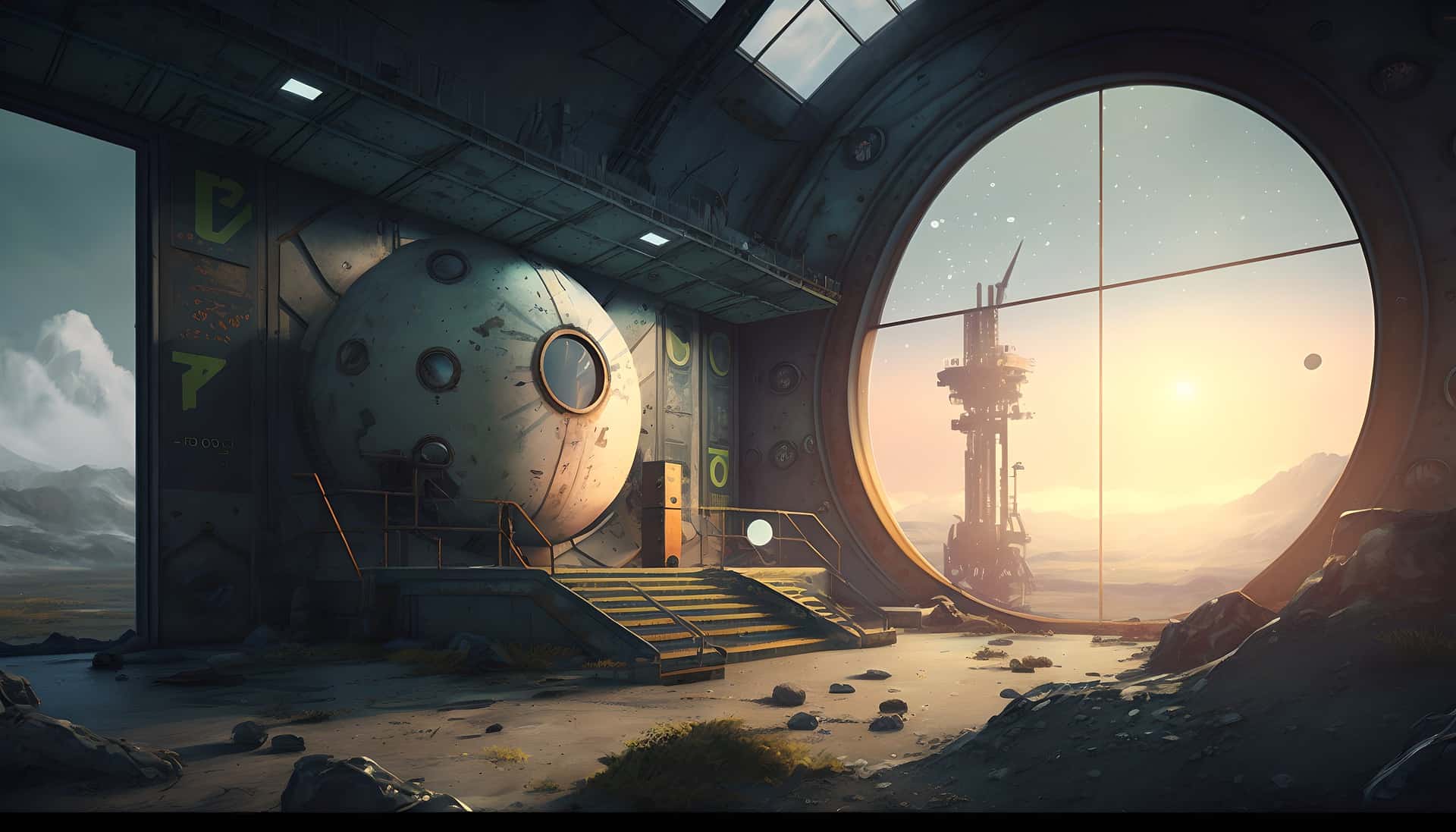
Introduction: The world of gaming is on the brink of a transformative revolution. As technology continues to advance at an unprecedented pace, the future of gaming holds exciting possibilities. Virtual worlds, artificial intelligence (AI) opponents, immersive experiences, and innovative gameplay mechanics are just a glimpse of what lies ahead. In this article, we will explore the future of gaming and how it is set to redefine the way we play, interact, and engage with video games.
-
Virtual Worlds and Immersive Experiences: The future of gaming is headed towards fully immersive virtual worlds. Advancements in virtual reality (VR) and augmented reality (AR) technologies are creating unprecedented opportunities for players to step into rich and interactive digital environments. These virtual worlds will offer seamless integration of the physical and digital realms, enabling players to explore vast landscapes, engage with realistic characters, and participate in thrilling adventures like never before.
-
Artificial Intelligence (AI) Opponents: AI technology is revolutionizing the gaming landscape by offering intelligent and adaptive opponents. Gone are the days of predictable computer-controlled enemies. AI-powered opponents can analyze player behavior, learn from their strategies, and dynamically adjust their tactics to provide a more challenging and engaging gaming experience. AI opponents will possess human-like intelligence, enhancing the realism and immersion of gameplay.
-
Cloud Gaming and Streaming: The future of gaming is moving towards cloud-based platforms, allowing players to stream games directly to their devices without the need for expensive hardware. Cloud gaming offers the convenience of instant access to a vast library of games, eliminating the need for physical game installations or hardware upgrades. This approach also enables cross-platform play and seamless transitions between devices, making gaming more accessible and inclusive.
-
Social and Cooperative Gameplay: The future of gaming will embrace social interactions and cooperative gameplay on a global scale. Multiplayer experiences will become more seamless, enabling players to collaborate with friends and gamers from around the world in real-time. Social features, such as shared virtual spaces, voice chat, and synchronized gameplay, will foster a sense of community and enable players to connect, compete, and cooperate in ways that transcend physical boundaries.
-
Enhanced Realism and Immersion: Technological advancements will continue to push the boundaries of realism and immersion in gaming. From lifelike graphics and advanced physics engines to haptic feedback and spatial audio, players will be fully immersed in virtual worlds that engage their senses. Virtual reality devices will become more comfortable, compact, and affordable, allowing for widespread adoption and truly immersive experiences.
-
Personalized and Procedural Content: The future of gaming will prioritize personalized experiences tailored to individual players. AI algorithms will analyze player preferences, gameplay patterns, and feedback to generate dynamic and personalized content. Procedural generation techniques will create endless variations of game worlds, quests, and challenges, ensuring each player’s experience is unique and engaging.
Conclusion: The future of gaming is an exhilarating landscape filled with virtual worlds, AI opponents, immersive experiences, and innovative gameplay mechanics. As technology continues to advance, players can look forward to more realistic, interactive, and personalized gaming experiences. The boundaries between the digital and physical realms will blur, creating unprecedented opportunities for exploration, social interaction, and engagement. The future of gaming is not just about entertainment—it is about pushing the boundaries of human creativity, imagination, and connectivity. Buckle up and get ready for a gaming revolution that will redefine the way we play and experience video games.