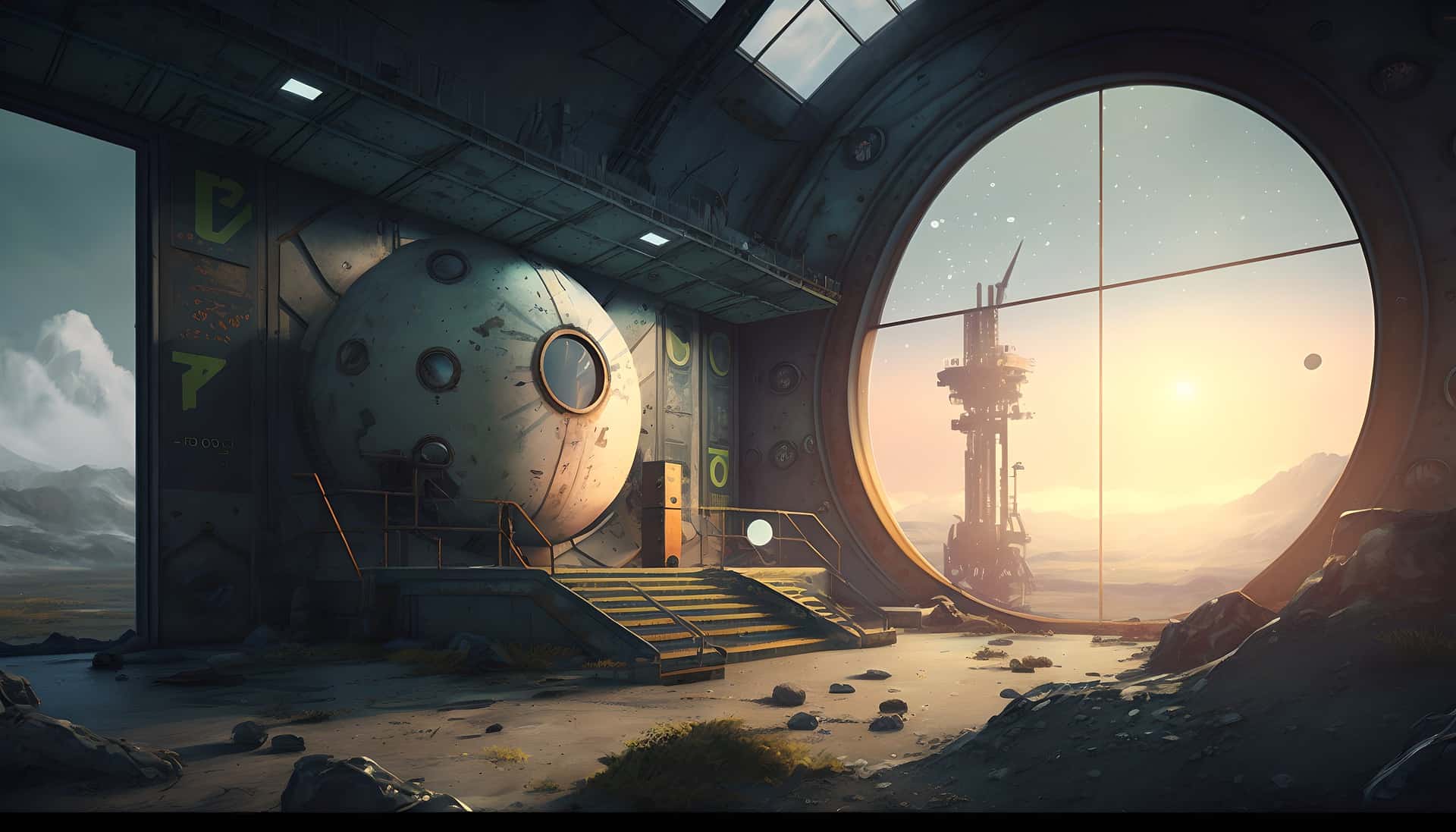
Introduction: The field of architecture is undergoing a profound transformation as the world faces pressing challenges such as climate change, urbanization, and the need for sustainable development. The future of architecture holds the promise of creating buildings that are not only aesthetically pleasing but also sustainable, innovative, and integrated with advanced technologies. From green design principles to the integration of smart systems, architects are envisioning a future where buildings play a crucial role in creating a more sustainable and livable world. In this article, we will explore the exciting trends and advancements that are shaping the future of architecture.
-
Sustainability and Green Design: The future of architecture is inherently linked to sustainability. Architects are embracing green design principles and incorporating sustainable features into their buildings. These features include energy-efficient systems, renewable energy sources, water conservation measures, and the use of eco-friendly materials. Sustainable architecture aims to minimize the environmental impact of buildings, reduce energy consumption, and create healthier and more comfortable spaces for occupants. The integration of green roofs, vertical gardens, and urban agriculture further enhances the sustainability of buildings, promoting biodiversity and reducing the urban heat island effect.
-
Innovative Construction Techniques: Advancements in construction techniques are revolutionizing the way buildings are designed and built. From 3D printing and modular construction to advanced robotics and automation, architects are exploring innovative approaches that optimize efficiency, reduce waste, and lower costs. 3D printing, in particular, allows for the rapid construction of complex structures using sustainable materials, offering greater design flexibility and customization. These techniques also enable the construction of buildings in remote or challenging environments, opening up new possibilities for architectural design.
-
Integration of Smart Systems: The future of architecture is characterized by the integration of smart systems and technologies. Buildings are becoming more intelligent, with the use of sensors, Internet of Things (IoT) devices, and data analytics to optimize energy consumption, improve comfort, and enhance security. Smart systems can dynamically adjust lighting, heating, and cooling based on occupancy, monitor air quality, and enable remote control and automation of various building functions. This integration not only enhances the user experience but also contributes to energy efficiency, reducing operational costs and environmental impact.
-
Adaptive Reuse and Regenerative Design: Architecture is embracing the concept of adaptive reuse, which involves repurposing existing structures for new functions instead of demolishing and rebuilding. Adaptive reuse reduces waste, preserves cultural heritage, and contributes to sustainable development. Architects are creatively transforming old factories, warehouses, and even historic buildings into modern and functional spaces, blending the old with the new. Regenerative design takes this concept further by designing buildings that give back to the environment, actively contributing to ecological restoration and biodiversity.
-
Biophilic Design and Wellness: Biophilic design is gaining prominence in the future of architecture. This design approach incorporates elements of nature, such as natural light, greenery, and water features, into buildings to create a connection with the natural environment. Biophilic design has been shown to enhance occupant well-being, productivity, and overall satisfaction. Architects are integrating living walls, indoor gardens, and access to natural views to create healthier and more inspiring spaces that promote mental and physical well-being.
Conclusion: The future of architecture is an exciting and transformative journey towards sustainable, innovative, and high-tech buildings. Architects are leading the way in designing structures that minimize environmental impact, prioritize occupant well-being, and harness the power of advanced technologies. By embracing green design principles, innovative construction techniques, smart systems, and biophilic design, the architecture of the future aims to create harmonious and sustainable spaces that enrich our lives and contribute to a more sustainable and resilient built environment.