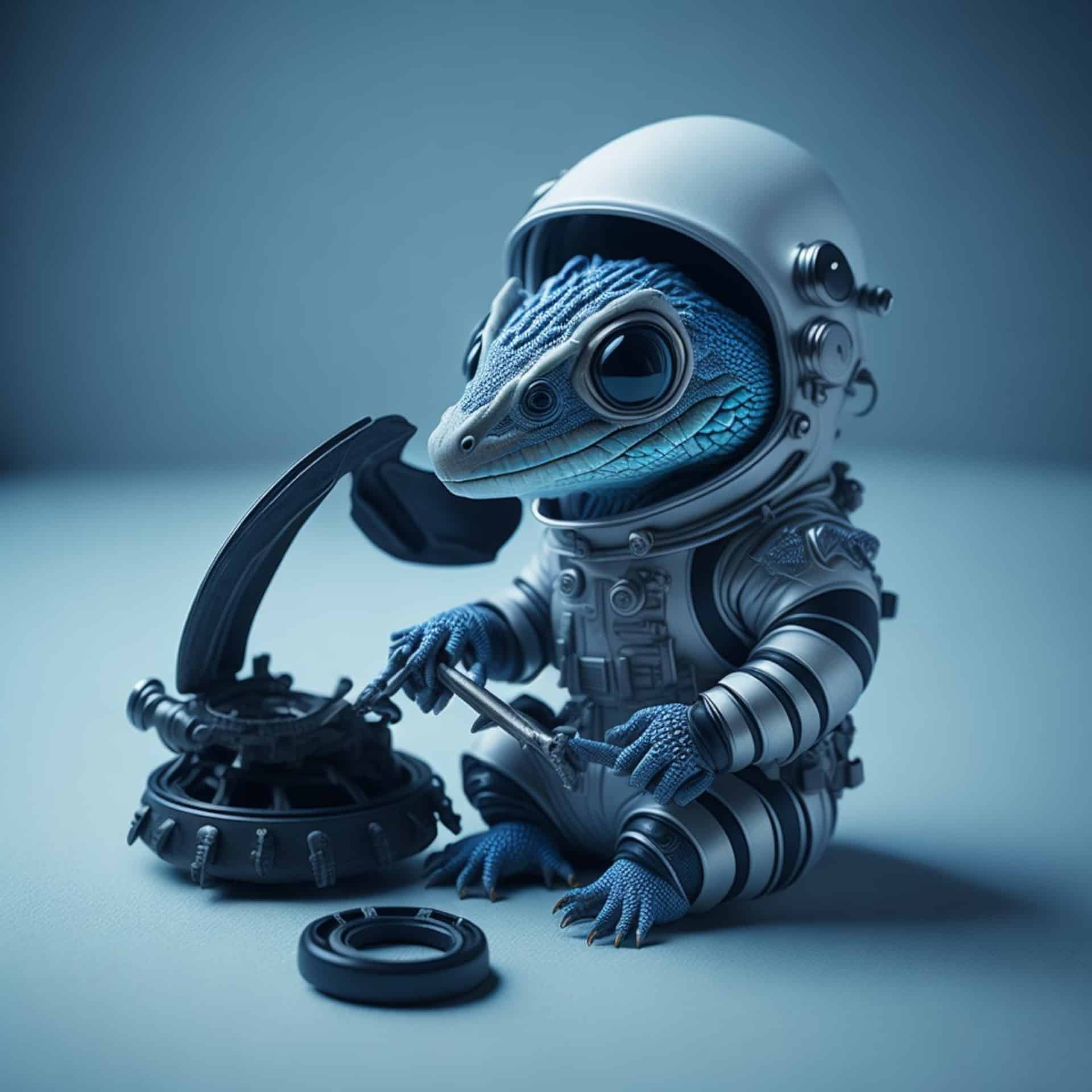
Introduction: Artificial Intelligence (AI) has revolutionized the way we interact with technology, and one of its most impactful applications is the development of AI-powered personal assistants. These intelligent digital companions have seamlessly integrated into our lives, assisting us with tasks, answering our queries, and even anticipating our needs. From smartphones to smart speakers, AI-powered personal assistants have become an integral part of our daily routines, transforming the way we live and work. In this article, we will explore the capabilities, benefits, and future potential of AI-powered personal assistants.
-
Understanding AI-Powered Personal Assistants: AI-powered personal assistants are virtual entities that use natural language processing, machine learning, and other AI technologies to understand and respond to human commands and queries. They can perform various tasks, such as setting reminders, sending messages, making appointments, providing information, and controlling smart devices, among others. These assistants learn and improve over time through user interactions, adapting to individual preferences and becoming more personalized.
-
Everyday Assistance and Productivity: AI-powered personal assistants have significantly enhanced our productivity and efficiency in both personal and professional domains. They can help manage our schedules, organize tasks, and send reminders, acting as digital task managers. With voice-activated capabilities, they offer hands-free assistance, allowing us to perform tasks while on the go or engaged in other activities. By automating routine tasks, AI-powered personal assistants free up valuable time and mental resources, enabling us to focus on more meaningful and high-value activities.
-
Contextual Understanding and Personalization: One of the key strengths of AI-powered personal assistants is their ability to understand context and provide personalized assistance. They learn from user behavior, preferences, and historical data to offer tailored recommendations and suggestions. For example, they can suggest personalized news updates, recommend movies based on individual preferences, or provide directions to frequently visited locations. This contextual understanding enhances the user experience and creates a more intuitive and customized interaction.
-
Voice Interface and Natural Language Processing: AI-powered personal assistants have made significant advancements in natural language processing, allowing users to interact with them through voice commands and queries. Voice interfaces have transformed the way we interact with technology, making it more natural and intuitive. By understanding and responding to spoken language, personal assistants have eliminated the need for manual input and simplified our interactions with digital devices.
-
Integration with Smart Home Devices and IoT: AI-powered personal assistants have seamlessly integrated with smart home devices and the Internet of Things (IoT), enabling control and management of various smart devices through voice commands. They can adjust lighting, temperature, and entertainment systems, order groceries, or even monitor home security systems. This integration creates a connected and automated living environment, offering convenience, energy efficiency, and enhanced comfort.
-
Future Potential and Evolution: The future of AI-powered personal assistants holds immense potential. As AI technologies continue to advance, personal assistants will become even more intelligent, proactive, and anticipatory. They will have a deeper understanding of user preferences and habits, allowing them to provide proactive suggestions, recommendations, and reminders. With advancements in natural language processing and machine learning, they will continue to improve their conversational abilities and contextual understanding, creating more human-like interactions.
Conclusion: AI-powered personal assistants have transformed the way we live and work, providing us with intelligent, personalized, and hands-free assistance. From managing our schedules and tasks to controlling smart home devices, these digital companions have become indispensable in our daily lives. As AI technology evolves, we can expect even greater capabilities and integration, further enhancing our productivity, efficiency, and overall user experience. With AI-powered personal assistants, the future holds the promise of a more connected, seamless, and efficient way of living and working.